
Follow Us:


TH Sound vs T and D Sounds: Three, Tree and More
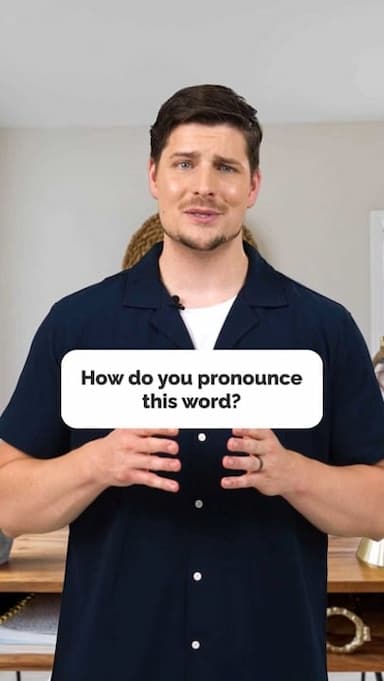
The TH sound does not exist in many languages, so learners often replace it with T or D. This can cause confusion, for example saying 'tree' instead of 'three' or 'tank you' instead of 'thank you'. In this video, you will practice five minimal pairs to master the difference. To make the TH sound, place the tip of your tongue lightly between your teeth and push air out. For T and D, your tongue touches the area just behind your top teeth, and there is a small burst of air. There are two TH sounds in English. The voiceless TH, in 'three', 'thank' and 'thick', uses only air. The voiced TH, in 'then' and 'those', adds vibration from your throat. Compare the pairs: 'three' and 'tree', 'thank' and 'tank', 'thick' and 'tick', 'then' and 'den', 'those' and 'doze'. Practicing in front of a mirror helps you check that your tongue is visible between your teeth. Watch the video, copy the mouth position carefully, and repeat each pair slowly. With daily practice, the TH sound will feel more natural and your English will be clearer and easier to understand.
Get the full app experience
Engaging video lessons and fun quizzes to help you ace your English.
Improve your English Level
Improve your pronunciation
Practice conversations
Sharpen your listening Skills
Fix common mistakes in English
Learn Grammar in a fun way
Expand your English Vocabulary

Coming soon to Google Play











© 2023 fluentjoy.com
Download FluentJoy App: