
Follow Us:


At vs On for Locations in English
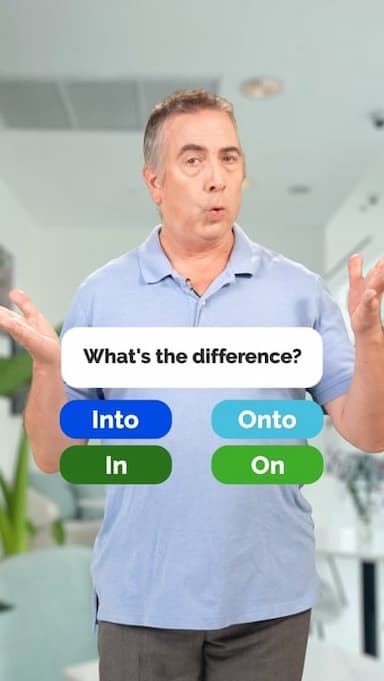
Many English learners feel confused about when to use at and when to use on for locations. These two small prepositions can change meaning, tone, and accuracy in everyday English. This short video focuses on a common example: at the beach versus on the beach.
When you say at the beach, you are talking about being near, visiting, or spending time at the seaside in general. The exact position is not important. For example, She’s spending the day at the beach suggests the person could be walking, eating, or relaxing nearby.
When you say on the beach, you are describing a physical position. It means you are directly on the sand. For example, He’s lying on the beach clearly places the person on the sand itself.
Understanding this difference helps you sound more natural and precise when talking about places. Native speakers use this distinction constantly, especially when describing travel, daily activities, and leisure plans.
This lesson is ideal for A2 to B2 learners who want to improve accuracy and confidence in spoken and written English. Watch the video, repeat the examples, and start noticing how at and on are used in real conversations.
Get the full app experience
Engaging video lessons and fun quizzes to help you ace your English.
Improve your English Level
Improve your pronunciation
Practice conversations
Sharpen your listening Skills
Fix common mistakes in English
Learn Grammar in a fun way
Expand your English Vocabulary

Coming soon to Google Play











© 2023 fluentjoy.com
Download FluentJoy App: